
Home
5 Trends Defining the Future of Luxury Kitchens in Manhattan

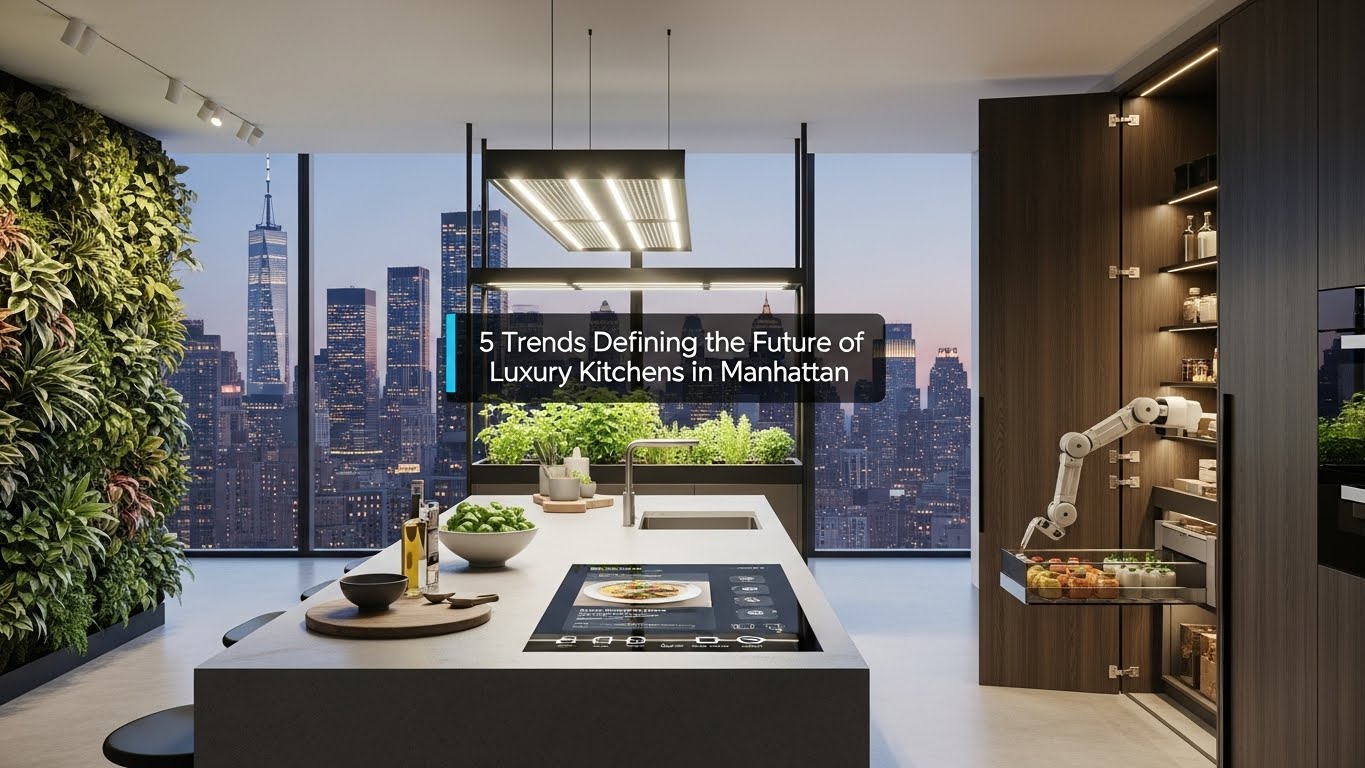
Walking through a pre-war apartment on the Upper West Side or a sleek loft in Tribeca, you notice something immediately: the kitchen is no longer hidden away. It has evolved from a strictly utilitarian space for food preparation into the social heart of the home. In Manhattan, where square footage is the ultimate luxury, the kitchen must work harder than anywhere else. It needs to be a culinary workspace, a dining area, a home office, and a showpiece all at once.
For homeowners in New York City, a standard renovation rarely cuts it. The unique architecture of the city—ranging from brownstones with narrow footprints to penthouses with floor-to-ceiling glass—demands a specialized approach. This shift in perspective is driving a new wave of design trends that focus on hyper-personalization, seamless technology, and materials that tell a story.
If you are considering a transformation for your home, understanding these shifts is crucial. Here are five trends currently redefining kitchen remodeling in Manhattan, moving beyond the standard white subway tile to create spaces that are as functional as they are breathtaking.
1. The Disappearing Kitchen
In open-concept Manhattan apartments, the line between the living room and the kitchen is becoming increasingly blurred. The “Disappearing Kitchen” trend takes this to the next level by concealing appliances and workspaces behind custom cabinetry that mimics high-end furniture.
The goal is visual quietness. When the cooking is done, the kitchen should recede, allowing the living space to feel larger and less cluttered. This is achieved through:
- Integrated Paneling: Refrigerators and dishwashers are clad in the same wood or matte finish as the surrounding cabinets, making them indistinguishable from a wardrobe or media unit.
- Hidden Stations: Coffee bars, toasters, and heavy mixers are housed in “appliance garages” with retractable doors.
- Induction Cooktops: Sleek glass surfaces that sit flush with the countertop are replacing bulky gas ranges, maintaining clean horizontal lines.
This approach requires precise craftsmanship. It isn’t just about hiding things; it’s about creating a cohesive architectural language throughout the apartment. Companies like JSM Custom Remodels specialize in this level of integration, ensuring that the transition between culinary and living spaces is seamless.
2. The Return of Mood and Texture
For years, the all-white kitchen reigned supreme. It was safe, bright, and resale-friendly. However, Manhattanites are now embracing darker, moodier palettes that offer depth and sophistication. We are seeing a shift toward rich jewel tones—emerald greens, navy blues, and charcoal grays—often paired with warm woods like walnut or white oak.
Texture is playing a pivotal role in this departure from the sterile. Instead of high-gloss lacquer, homeowners are opting for:
- Matte and Satin Finishes: These surfaces absorb light rather than reflecting it, creating a softer, more inviting atmosphere.
- Natural Stone with Character: Marble and quartzite with dramatic, high-contrast veining are being used for backsplashes and islands. The “book-matching” technique, where two slabs mirror each other, turns stone into art.
- Mixed Metals: The rule of matching all hardware is dead. Unlacquered brass faucets are being paired with matte black cabinet pulls, adding a layered, curated feel to the room.
This trend reflects a desire for kitchens to feel lived-in and personal, rather than like a showroom. It acknowledges that the kitchen is a space for evening entertainment, where mood lighting and rich textures create an intimate ambiance.
3. The “Smart” Scullery
While the main kitchen is becoming more streamlined, the demand for serious functionality hasn’t decreased. This has led to the revival of the scullery or “prep kitchen,” adapted for the modern Manhattan footprint. Even in smaller apartments, smart layout design is carving out secondary zones dedicated to the messier parts of cooking.
In larger layouts, this might be a separate room behind the main kitchen. In tighter spaces, it translates to a highly organized “wet bar” or butler’s pantry area. These zones often feature:
- Secondary Sinks and Dishwashers: Perfect for hosting, allowing dirty dishes to be staged out of sight while guests mingle around the main island.
- Vertical Storage: Floor-to-ceiling pull-outs that maximize storage density for dry goods and specialty equipment.
- Smart Inventory Management: Refrigerators with internal cameras and inventory tracking are becoming standard, helping busy New Yorkers keep track of groceries via their smartphones.
Strategic kitchen remodeling now involves analyzing the workflow of the chef. By segregating prep and cleanup zones, the main kitchen remains a pristine stage for the final act of serving and entertaining.
4. Wellness-Centric Design
The concept of the home as a sanctuary has never been more relevant. This wellness focus is influencing kitchen design in surprising ways, prioritizing health, sustainability, and ergonomics.
- Non-Toxic Materials: There is a growing demand for cabinetry and flooring with low or no VOCs (Volatile Organic Compounds) to improve indoor air quality.
- Biophilic Elements: Bringing the outdoors in is a challenge in the concrete jungle. Designers are incorporating indoor herb gardens with dedicated grow lights built directly into shelving or islands.
- Water Filtration Stations: Built-in sparkling and still water dispensers are replacing plastic bottles, often integrated directly into the main faucet system.
Furthermore, lighting is being rethought to support circadian rhythms. Tunable LED lighting systems can shift from a cool, energizing white light in the morning for breakfast and prep work, to a warm, amber glow in the evening for dinner. This subtle shift helps regulate the body’s internal clock, proving that luxury is as much about how a space feels as how it looks.
5. The Double Island (Space Permitting)
For those fortunate enough to have the square footage—think combined units or spacious lofts—the double island is the ultimate status symbol in kitchen remodeling.
The traditional single island often becomes a catch-all for mail, homework, and cooking prep, leading to clutter. The double island solves this by assigning specific functions to each structure:
- The Working Island: This island typically houses the sink, dishwasher, and trash pull-outs. It is the command center for the chef, topped with a durable surface like quartz or sintered stone that can handle heat and knives.
- The Social Island: Positioned further away from the “hot zone,” this island is for seating and serving. It might feature a different countertop material, such as wood or a more delicate marble, to distinguish it as a dining space.
This layout facilitates traffic flow, ensuring that guests can relax with a glass of wine without getting in the way of the cook. It creates a professional-grade workflow within a residential setting.
Investing in Your Lifestyle
Kitchen Remodeling in Manhattan turns complex renovations into functional, beautiful spaces. Renovating a kitchen in Manhattan is a significant undertaking. It involves navigating co-op boards, managing strict building codes, and maximizing every inch of available space. However, the result is a transformation of lifestyle.
Whether you are drawn to the invisible utility of the disappearing kitchen or the tactile luxury of mixed materials, the current trends point toward a singular conclusion: your kitchen should be a reflection of you. It is no longer just about resale value; it is about creating a space that enhances your daily life in the city.
When you are ready to explore the potential of your space, partnering with experts who understand the nuances of NYC architecture is essential. JSM Custom Remodels brings that expertise to the table, turning complex visions into tangible, luxurious realities.
Contact Info
Name: JSM Custom Remodels
Address: 205 Hudson St #730, New York, NY 10013
Phone: +13473055961
Email: info@jsmcustomremodels.com
Website: https://jsmcustomremodels.com/

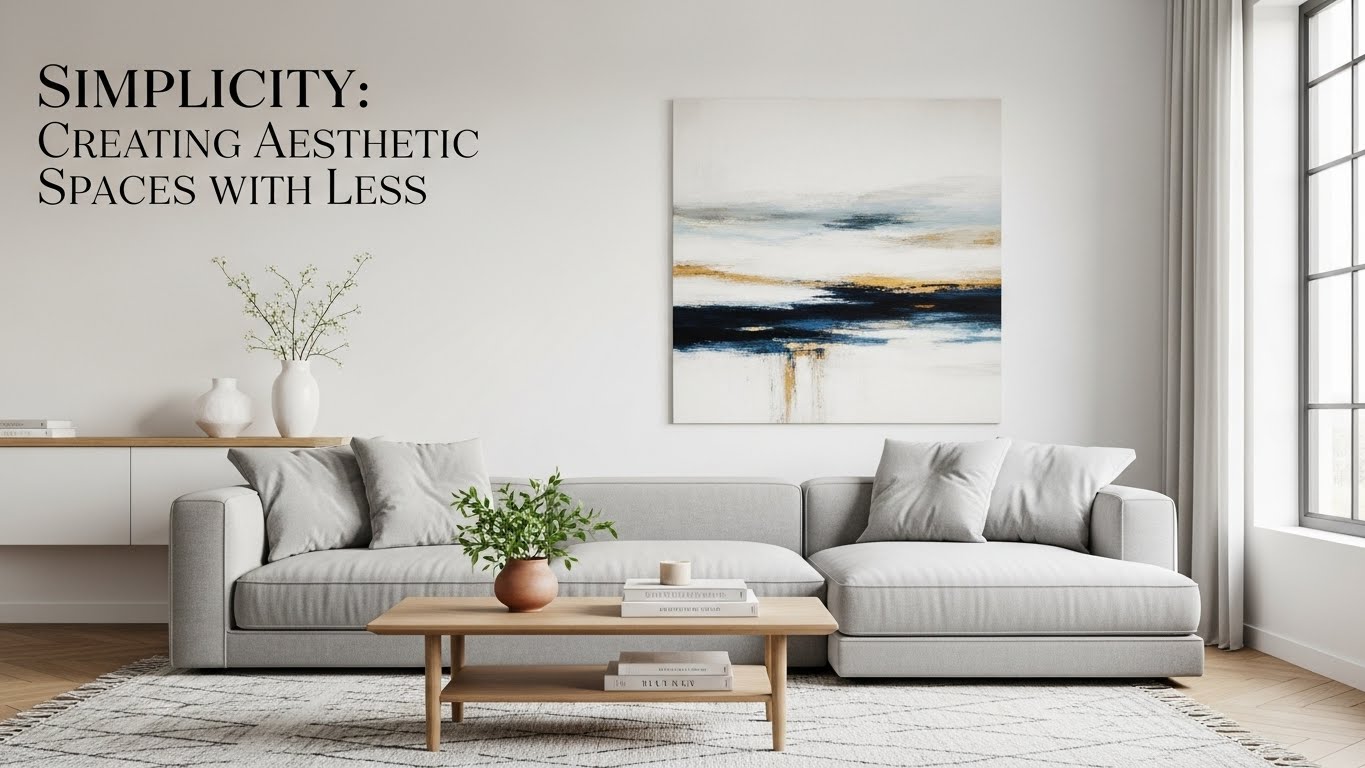
In a world filled with clutter and chaos, the desire for simplicity has never been more appealing. Enter Simpciry—a fresh approach to living that celebrates aesthetic spaces created with less. Imagine walking into a room bathed in natural light, adorned only with thoughtful decor that sparks joy. This isn’t just about minimalism; it’s about crafting an environment where every item holds meaning and contributes to your well-being.
Simpciry invites you to declutter not just your space but also your mind. It’s about embracing what truly matters while letting go of the excess. Are you ready to transform your home into a sanctuary of peace? Join us as we explore this beautiful philosophy and uncover how it can lead to a more fulfilling life.
What is Simpciry?
Simpciry is more than just a design trend; it’s a lifestyle choice that emphasizes simplicity and beauty. It encourages us to create spaces that are both functional and aesthetically pleasing without the clutter of excessive decoration.
At its core, Simpciry promotes an intentional approach to our surroundings. Each element in a room serves a purpose while contributing to the overall harmony of the space. This philosophy allows individuals to connect with their environment on a deeper level.
By focusing on fewer items, we can highlight what truly matters. Simpciry invites us to appreciate quality over quantity, fostering a sense of calm and clarity in our homes. It challenges societal norms around consumerism and urges us to curate rather than accumulate.
In essence, Simpciry is about celebrating minimalistic elegance while embracing personal expression through carefully chosen pieces.
The Concept of Minimalism in Design
Minimalism in design centers around the idea that less is more. It embraces simplicity and functionality, stripping away distractions.
This concept encourages clean lines, open spaces, and a thoughtful selection of elements. Each piece should serve a purpose while contributing to an overall aesthetic harmony.
Color palettes tend to be muted or monochromatic, allowing textures and forms to take center stage. This creates serene environments that invite calmness.
The beauty of minimalism lies in its versatility. Whether applied in architecture or interior decor, it adapts easily to various styles without losing its essence.
By removing excess clutter, minimalist design promotes clarity and focus. It invites us to appreciate quality over quantity—a vital shift in today’s fast-paced world where simplicity often gets overlooked.
Benefits of Adopting a Simpciry Lifestyle
Adopting a Simpciry lifestyle brings clarity to your surroundings. With fewer distractions, you can focus on what truly matters. This kind of environment promotes creativity and productivity.
A simpler space often leads to less stress. When everything has its place, it’s easier to maintain order. You’ll find peace in simplicity.
Financial benefits also arise when you embrace Simpciry. Fewer possessions mean reduced spending on unnecessary items, paving the way for smarter investments and savings.
Additionally, this lifestyle fosters mindfulness. It encourages intentional choices about what enters your space and life, cultivating deeper connections with people and experiences rather than things.
Living simply opens up time for personal growth and hobbies that bring joy. Instead of managing clutter or excess belongings, you can dedicate energy to passions that spark happiness within you.
How to Incorporate Simpciry into Your Home
Incorporating simpciry into your home starts with decluttering. Begin by assessing each room. Keep only items that bring joy or serve a purpose. This creates more space and reduces visual noise.
Next, focus on choosing neutral colors for walls and furniture. Soft tones create a calming atmosphere, making the space feel airy and open.
Furniture selection is crucial too. Opt for multi-functional pieces like ottomans with storage or minimalist tables that suit various needs.
Add thoughtful decor instead of overwhelming displays. A single plant can breathe life into a corner, while an art piece can serve as a focal point without cluttering the view.
Embrace natural light whenever possible. Open curtains during the day to let sunlight flow in, enhancing both mood and aesthetic appeal throughout your home.
Tips for Maintaining a Simple and Aesthetic Space
To maintain a simple and aesthetic space, start with decluttering. Regularly assess your belongings. Keep only what adds value to your life.
Choose a cohesive color palette. Neutral tones can create harmony while allowing for occasional pops of color through accessories.
Invest in multifunctional furniture. Pieces that serve more than one purpose enhance both functionality and aesthetics.
Limit decorative items to just a few meaningful pieces. This creates focal points without overwhelming the senses.
Incorporate natural elements like plants or wood accents. They bring warmth and freshness into your environment.
Establish a cleaning routine that prioritizes simplicity. A tidy space feels more inviting and serene, making it easier to appreciate its beauty.
Embrace empty spaces as part of the design. Negative space is essential for balance and allows each item room to breathe.
Impact on Mental Health and Well-being
Simpciry profoundly influences mental health and overall well-being. By streamlining our environments, we reduce clutter that often leads to stress and anxiety. A serene space encourages a calm mind.
When surrounded by simplicity, it’s easier to focus on what truly matters. The distractions of excess fade away, allowing for clearer thoughts and increased productivity.
Moreover, embracing simpciry fosters mindfulness. Engaging with fewer possessions cultivates gratitude for what we have. This shift in perspective can enhance emotional resilience.
Creating an aesthetic environment rooted in minimalism invites peace into daily life. It becomes a sanctuary for self-reflection and relaxation.
The benefits extend beyond just physical spaces; they resonate within us too. A simplified lifestyle nurtures emotional clarity, leading to improved relationships and greater satisfaction in everyday experiences.
Embracing Simpciry for a More Fulfilling Life
Embracing simpciry opens up a world of possibilities. It encourages you to focus on what truly matters in life. By shedding excess, both physically and mentally, you create space for passion and creativity.
Living simply allows for clearer thinking. With fewer distractions cluttering your mind, decisions become easier. Each choice can be more intentional and aligned with your values.
Moreover, the aesthetic spaces created through simpciry inspire calmness. A minimalist environment nurtures peace within—a perfect backdrop for self-reflection and growth.
When you embrace this lifestyle, connections deepen too. You find joy in experiences rather than possessions. Relationships flourish when time is prioritized over things.
Simplicity leads to gratitude. Appreciating the small moments becomes effortless—every cup of coffee or shared laugh gains significance amidst the uncomplicated backdrop of life’s essentials.
Conclusion
Embracing Simpciry can transform your life. By focusing on simplicity, you create a home that reflects peace and beauty. It’s not just about the visual appeal; it’s about fostering an environment that enhances your mental clarity and overall well-being.
When you adopt this lifestyle, you consciously choose to remove distractions. This leads to greater focus on what truly matters—your relationships, health, and personal growth. The aesthetic spaces born from Simpciry are more than just visually pleasing; they become sanctuaries for rest and rejuvenation.
As you navigate through life with less clutter around you, you’ll find room for creativity and inspiration to flourish. Each piece in your space tells a story or serves a purpose. You’ll appreciate them even more when they’re surrounded by calmness instead of chaos.
The journey toward embracing Simpciry is unique for everyone but rich with rewards. So take small steps today towards creating an aesthetic space that resonates with who you truly are while nurturing both mind and spirit along the way.
-

 Technology8 months ago
i̇ns: Strategies for Leveraging Information Networks Effectively
-

 Digital Marketing5 months ago
Eporer: How This Innovative Tool Revolutionizes Digital Marketing
-

 Blog8 months ago
هنتاوي com: Changing the Online Entertainment Landscape
-

 Health7 months ago
gel ooru: Incorporate into Your Daily Routine for Radiant Skin
-

 Blog5 months ago
The Story Behind هنتاوي.com: A Journey of Innovation and Growth
-

 Food8 months ago
бишкоти ди прато: The Traditional Italian Biscotti You Need to Try
-

 Technology9 months ago
internetchocks: The Impact of Online Communication and Connectivity
-

 Blog9 months ago
guia silent hill geekzilla: Enhance The Haunted Streets & Dark Secrets