
Business
Grade & Compliance, Made Clear

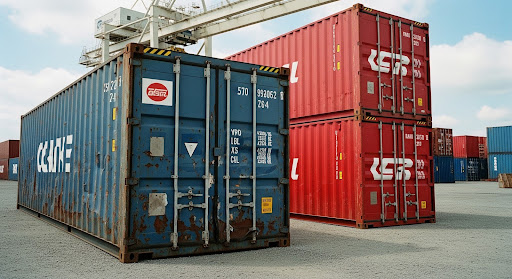
A practical guide to one-trip vs. cargo-worthy, CSC/export readiness, and documentation you can trust.
For procurement and operations leaders, container purchases succeed or fail on documentation, condition, and compliance. This guide turns grade terminology into actionable due diligence, so your purchase stands up to internal audit and real-world use.
Define purpose first: storage, modification, or export
Before you compare offers, clarify intended use:
- Domestic storage/modular use: prioritize exterior integrity, door function, and clean floors.
- Modification (doors, windows, electrical, insulation): prefer one-trip for straighter walls, fewer repairs, and faster fit-out.
- International transport: you’ll need CSC compliance, a valid Safety Approval Plate, and current inspection status.
Document the decision in your RFQ. A clearly stated use case aligns grades, inspection scope, and pricing from the start.
Grades that matter: one-trip vs. used/cargo-worthy
One-trip (new):
- Typically manufactured overseas, used once to move freight, then sold.
- Benefits: minimal cosmetic wear, tight door seals, newer gaskets, flat panels—ideal for modifications where squareness and steel condition save time and labor.
- Consider when: you want predictable TCO and resale value, or your project timeline can’t absorb refurbishment.
Used/cargo-worthy:
- Serviceable units that have seen normal fleet life; expect scuffs, dents, touch-ups.
- Benefits: value pricing for static storage and non-structural uses.
- Checks: confirm that the cargo-worthy designation is current if you plan to ship freight; request photos of flooring, corner castings, and door gear to rule out hidden rework.
Tip: If bids use varied grading language, ask vendors to map their terms to these two buckets and supply photo sets for each unit under consideration. Consistency here prevents later change orders.
Compliance essentials for export readiness
If export is on the table—now or in the future—plan for CSC compliance from day one:
- Safety Approval Plate (CSC Plate): affixed to the container; verify the plate is legible and matches the container’s serial number.
- Inspection status: determine whether the unit is under a periodic exam program or an approved continuous examination program; request the last inspection date.
- Fit-for-purpose: confirm doors, hinges, locking rods, and corner castings meet operational standards; note any repairs.
For projects that might begin as domestic storage and later move into export, the simplest path is to source a one-trip unit with clear CSC plate documentation so you don’t have to repurchase later.
Documentation package: what to request and file
Create a standard compliance pack for each unit and store it with the PO:
- Pro forma & final invoice with VIN/serial and grade (one-trip or used/cargo-worthy).
- High-resolution photos (all sides, roof, interior, floor, door gear, plate).
- Inspection evidence (export surveys if required, or most recent exam record).
- Delivery record (date, driver notes, site contact, damage exceptions).
This pack shortens stakeholder reviews, accelerates insurance questions, and speeds later audits or redeployments.
Risk controls: modify with confidence
If the container will be modified (cutouts, framing, insulation, electrical):
- Start with one-trip steel where possible; flatter panels mean less prep and cleaner welds.
- Use corrosion-resistant coatings at cut edges and welds; specify primer/paint systems in the SOW.
- Maintain structural pathways around corner posts and roof rails; avoid cuts that compromise stacking or lifting.
- Require a post-mod inspection checklist (door function, water test, grounding for electrical work).
These steps reduce rework and keep warranty conversations straightforward.
Delivery & siting: compliance meets logistics
Compliance on paper fails if site readiness is overlooked. Plan:
- Access & ground bearing: firm, level pad (timber or concrete blocks to keep weight off soil and enable airflow).
- Orientation & drainage: set doors to allow clear swing; pitch slightly to shed water.
- Offload method: tilt-bed for most ground-level placements; flat-bed/chassis requires on-site handling equipment.
Share a one-page pre-delivery checklist with the vendor. It prevents second trips and protects your budget.
Where your market research link belongs
As you confirm grade, documentation, and delivery windows, include neutral market resources in your sourcing file to validate inventory and sizes. During that step, many teams consult category pages listing shipping containers for sale by size and region to benchmark availability and delivery notes—see shipping containers for sale for category context while comparing quotes. This link is provided in-body as a resource reference, not a promotion, consistent with publisher guidelines.
Rapid TCO model for approval
Roll up your comparison with a four-line model:
- Acquisition — size × grade × market factor
- Transport — distance band × method × offload
- Adaptation — locks/vents/insulation/electrical
- Disposition — expected resale or redeploy value
This keeps conversations grounded in lifecycle value, not only unit price.
Red flags—pause the purchase if you see these
- Illegible or missing CSC plate on a unit proposed for export.
- Incomplete serial numbers or mismatched plate/photos.
- Door twist, heavy rust scaling, soft floors, or repaired corner castings without documentation.
- Vague grading language (“good condition”) with no photos or inspection notes.
Stop here and request clarity; the cheapest invoice often becomes the most expensive once freight, rework, or delays stack up.
References & authoritative resources
- International conventions that govern container safety (CSC) and the Safety Approval Plate format—use these to verify plate details and inspection cadence.
- ISO dimensional/rating standards for series-1 freight containers, useful for spec alignment and accessory fit.
- Occupational safety guidance for container handling and repair to frame contractor scope and site controls.
Additional Resources
- shipping containers — browse sizes and regional availability as you finalize RFQs and delivery plans.
Conclusion
For corporate buyers, the safest path is simple: match grade to use case, confirm CSC/inspection details early, build a clean documentation pack, and execute delivery with a clear checklist. With these controls in place, your container purchase will meet operational needs today and stand ready for tomorrow’s redeployments.

Miki Yim is a name that resonates across industries, igniting inspiration and encouraging innovation. With a career marked by groundbreaking achievements, she has pushed boundaries and carved her own niche in an ever-evolving landscape. Miki’s journey is not just about personal triumph; it reflects the power of vision and resilience. As we delve into her story, you’ll discover how one individual can pave new paths and reshape the future for generations to come. Let’s explore the remarkable life of Miki Yim and uncover the essence of her impact on the industry field.
Who is Miki Yim?
Miki Yim is a trailblazer in her field, recognized for her innovative approach and dedication to advancing industry standards. With a background in engineering and business management, she combines technical expertise with strategic vision.
Her journey began in academia, where she honed her skills before transitioning into the corporate world. Miki quickly made a name for herself through hard work and determination.
Beyond professional achievements, she values mentorship and empowerment. Miki believes that fostering talent is crucial for progress.
Driven by curiosity, she constantly seeks new challenges. This relentless pursuit of knowledge has positioned her as an influential figure among peers.
Miki’s leadership style emphasizes collaboration and creativity. She inspires those around her to think outside the box while maintaining focus on their goals.
Early Career and Success
Miki Yim embarked on her professional journey with a fierce determination. She quickly recognized the gaps in her industry and sought to fill them through innovation.
After graduating from a prestigious university, she landed her first role at a leading firm. There, she showcased incredible analytical skills that set her apart from peers. Her knack for problem-solving drew attention from senior executives.
Within just a few years, Miki climbed the corporate ladder, earning accolades for several successful projects. Each achievement reinforced her belief in challenging norms and pushing boundaries.
Her early career was marked by bold decisions that often led to groundbreaking results. Colleagues admired not only her work ethic but also the vision she brought to every task. It became clear; Miki was destined for greatness in an ever-evolving landscape.
Creating a New Path in the Industry Field
Miki Yim is not just another name in the industry; she is a trailblazer. By embracing innovative approaches, she has redefined traditional practices.
Her unique perspective allows her to see opportunities where others may not. Miki challenges the status quo, introducing strategies that prioritize sustainability and inclusivity.
Through collaboration and open communication, she cultivates an environment where new ideas thrive. This has led to groundbreaking projects that resonate within her field.
Miki’s dedication goes beyond personal success. She actively mentors young professionals, encouraging them to think outside the box and pursue unconventional paths.
By fostering creativity and adaptability among peers, she’s paving a way for future leaders. Each initiative reflects her commitment to building a better industry ecosystem for everyone involved.
Challenges and Obstacles Faced by Miki Yim
Miki Yim encountered numerous challenges throughout her career. As a trailblazer in a male-dominated industry, she faced skepticism from peers and leaders alike. Many doubted her capabilities simply because of her gender.
Navigating corporate politics added another layer of complexity to her journey. Miki often found herself battling outdated perceptions that hindered the acceptance of innovative ideas.
Additionally, limited access to resources was a recurrent obstacle. She had to be resourceful and creative in leveraging what she had at her disposal—often turning constraints into opportunities.
Despite these hurdles, Miki’s resilience shone through. Each challenge served as fuel for growth rather than deterrence. Her determination inspired those around her, showcasing how perseverance can break barriers and redefine norms in any field.
Innovations and Contributions to the Industry
Miki Yim has redefined the landscape of her industry through groundbreaking innovations. Her approach combines creativity with technology, setting new standards that others aspire to achieve.
One of her notable contributions is a pioneering software platform that streamlines processes. This tool not only enhances productivity but also fosters collaboration across teams. Miki understands that innovation isn’t solely about invention; it’s about making existing systems more efficient.
She actively champions sustainable practices within the field as well, integrating eco-friendly materials and methods into traditional workflows. This commitment resonates deeply in today’s market where sustainability is paramount.
Moreover, Miki’s mentorship initiatives empower emerging professionals to think outside conventional boundaries. By sharing her knowledge and experience, she nurtures a new generation ready to push the envelope further than ever before.
Her multifaceted contributions are shaping an industry poised for exciting evolution ahead.
Impact on Future Generations
Miki Yim’s influence extends far beyond her immediate achievements. She has inspired countless young professionals to break barriers in their own careers.
Her dedication to mentorship is a testament to this impact. By sharing her experiences, Miki empowers the next generation of innovators and leaders. She encourages them to think outside traditional boundaries.
Education and workshops led by Miki have become platforms for aspiring talents. They provide invaluable insights into navigating challenging industries. Many participants leave with renewed motivation and clarity about their paths.
Moreover, her commitment to diversity fosters an inclusive environment where everyone feels valued. This focus on representation not only enriches the industry but also inspires future generations to pursue their dreams fearlessly.
As young minds look up to trailblazers like Miki Yim, they envision a world where anything is possible—where innovation knows no limits and courage defines success.
Conclusion
Miki Yim stands out as a transformative figure in her industry. Her journey from humble beginnings to becoming a trailblazer showcases the power of determination and innovation. Each challenge she faced only fueled her resolve, allowing her to carve out unique solutions that have changed the way we approach various problems.
Her innovative contributions continue to inspire not just those within her field but also future generations who aspire to follow in her footsteps. Miki’s work is more than just professional success; it embodies a vision for what could be achieved through perseverance and creativity.
As industries evolve, Miki Yim’s influence will undoubtedly shape their trajectory, paving the way for others to dream big and push boundaries. The legacy she creates will resonate far beyond today, inspiring countless individuals along their own paths toward excellence.

As the world becomes increasingly aware of environmental issues, a new term is gaining traction: recyclatanteil. This German word translates to “recycled content” and refers to the proportion of recycled materials used in products. It’s not just a buzzword; it’s a concept that impacts consumers and businesses alike. Understanding recyclatanteil can help you make informed choices when shopping, while also encouraging companies to adopt more sustainable practices. Let’s dive into what recyclatanteil means and why it matters for both your wallet and the planet.
What is Recyclatanteil?
Recyclatanteil, a German term translating to “recycled content,” refers to the percentage of recycled materials used in the production of new products. This concept is becoming increasingly significant as industries shift towards more sustainable practices.
When manufacturers incorporate recyclatanteil into their processes, they effectively reduce the demand for virgin raw materials. This move not only conserves natural resources but also lowers energy consumption and greenhouse gas emissions associated with extracting and processing new materials.
The presence of recyclatanteil can vary widely across different sectors, from packaging to textiles. Consumers are gradually becoming more aware of this metric, often seeking out products that showcase higher levels of recycled content as part of their eco-friendly lifestyle choices.
Understanding recyclatanteil empowers consumers and businesses alike to make informed decisions that contribute positively to environmental sustainability.
The Importance of Recyclatanteil for the Environment
Recyclatanteil plays a crucial role in shaping a sustainable future. It refers to the percentage of recycled materials used in products, which directly impacts resource conservation.
By increasing recyclatanteil, we reduce the demand for virgin resources. This shift helps preserve forests, water sources, and minerals that are essential for life on Earth.
Moreover, higher recyclatanteil leads to lower greenhouse gas emissions. Manufacturing with recycled materials requires less energy than producing new items from raw resources.
When we support products with significant recyclatanteil, we contribute to reducing landfill waste. This approach fosters a circular economy where materials are reused and repurposed rather than discarded.
Every effort counts when it comes to protecting our planet’s health. Embracing recyclatanteil is just one way individuals and businesses can make an impactful difference today.
How Does Recyclatanteil Affect Consumers?
Recyclatanteil plays a significant role in shaping consumer choices today. As awareness of environmental issues rises, many shoppers actively seek products with higher recycled content. This preference influences manufacturers to adopt sustainable practices.
When consumers choose items with elevated recyclatanteil, they contribute to reducing waste and conserving resources. It fosters a sense of responsibility among buyers who understand their purchasing power can drive change in the market.
Moreover, products with high recyclatanteil often come with eco-labels or certifications. These indicators simplify decision-making for conscious consumers looking for environmentally friendly options.
On the flip side, some may perceive these items as more expensive. However, investing in sustainable products promotes long-term benefits for both the planet and personal health. With every purchase choice, consumers wield influence over industry trends toward sustainability and innovation.
How Can Businesses Benefit from Higher Recyclatanteil?
Higher Recyclatanteil can significantly enhance a business’s reputation. Companies that prioritize sustainable practices attract eco-conscious consumers. This growing demographic values products with increased recycled content.
Cost savings are another advantage. Using recycled materials often reduces production costs, especially as raw material prices fluctuate. Businesses can enjoy lower expenses while supporting the circular economy.
Moreover, higher recyclatanteil fosters innovation within organizations. It encourages teams to find creative solutions for sourcing and processing recycling materials, leading to new product developments.
Compliance with regulations is also simplified when companies incorporate more recyclate into their manufacturing processes. Meeting environmental standards becomes easier, avoiding potential fines and enhancing credibility in the marketplace.
Businesses focusing on sustainable initiatives can differentiate themselves from competitors. Emphasizing recyclatanteil not only showcases commitment but also positions brands favorably in an increasingly green market landscape.
Challenges and Solutions for Increasing Recyclatanteil
Increasing recyclatanteil presents various challenges. One major issue is the inconsistency in recycling systems worldwide. Different regions have unique guidelines, leading to confusion among consumers and businesses alike.
Another hurdle is the quality of recycled materials. Not all recyclables meet industry standards for reprocessing, which can limit their use in new products. This affects manufacturers’ willingness to incorporate them into their supply chains.
Public awareness also plays a significant role. Many consumers still lack understanding of what recyclatanteil entails and its benefits, making engagement with sustainable practices less effective.
Solutions do exist, however. Educating both businesses and consumers about the value of higher recyclatanteil can foster better participation in recycling programs. Additionally, investing in technology that improves material recovery processes can enhance the quality of recycled goods available on the market.
Collaboration between governments and private sectors can streamline regulations too, paving a smoother path toward increased recyclatanteil across industries.
Tips for Consumers to Support Recyclatanteil
Embracing recyclatanteil starts with informed choices at the store. Look for products that clearly indicate their recycled content. Labels often provide insight into how much of a product is made from recycled materials.
Next, consider your purchasing habits. Opt for brands committed to sustainability and transparency in their sourcing practices. Supporting these companies encourages others to follow suit.
Get involved in local recycling programs. Many communities offer initiatives that help increase recyclatanteil by ensuring more materials are properly processed and reused.
Educate friends and family about the benefits of recycled products. Spreading awareness can create a ripple effect, inspiring others to make eco-friendly choices as well.
Every small action contributes significantly to building a greener future.
Conclusion
Recyclatanteil plays a pivotal role in shaping our environment and economy. Understanding this concept is essential for both consumers and businesses alike. For consumers, being aware of recyclatanteil can lead to more informed purchasing decisions that align with sustainable practices. As individuals demand products with higher recycled content, they become part of the solution to reduce waste.
Businesses also stand to gain from embracing recyclatanteil. By increasing their use of recycled materials, they not only contribute positively to environmental efforts but can also enhance their brand image and appeal to eco-conscious customers. This shift can create a competitive advantage in an increasingly green marketplace.
The challenges associated with boosting recyclatanteil are real but not insurmountable. Innovation in recycling technologies and collaboration across industries will play crucial roles here. Simple actions by consumers—such as supporting brands committed to sustainability—can drive significant change.
As we navigate through these issues together, understanding the importance of recyclatanteil helps pave the way for a greener future for everyone involved. Each step taken towards higher recyclatanteil ultimately fosters healthier ecosystems while encouraging responsible consumption habits among all stakeholders.

In today’s fast-paced business landscape, collaboration is more than just a buzzword; it’s a necessity. Enter Sosoactive, a platform that’s redefining the way teams connect and work together. Imagine breaking down silos and fostering creativity across departments without the usual barriers. With remote work becoming the norm, businesses need tools that not only streamline processes but also enhance communication and productivity. Sosoactive promises to be that game-changer for companies looking to thrive in an increasingly competitive environment. Let’s dive into what makes Sosoactive unique and how it can transform your approach to collaboration in the workplace.
What is Sosoactive?
Sosoactive is an innovative platform designed to enhance how businesses collaborate. It offers tools that streamline communication and project management, making teamwork more efficient.
At its core, Sosoactive integrates various functionalities like task assignments, real-time chat, and document sharing. This integration reduces the need for multiple apps and simplifies workflows.
The user-friendly interface ensures that everyone can navigate easily, regardless of their tech-savviness. With features tailored to specific industries, it caters to diverse business needs.
Moreover, Sosoactive supports remote teams by providing a centralized hub for all activities. This fosters connection among members who might be miles apart yet working towards common goals.
In a fast-paced world where collaboration is key to success, Sosoactive stands out as a valuable asset for organizations aiming to boost productivity and creativity within their teams.
The Benefits of Business Collaboration
Business collaboration brings a wealth of advantages that can transform organizations. It fosters innovation by combining diverse perspectives. When teams work together, they often generate creative solutions to complex problems.
Improved communication is another vital benefit. Collaboration breaks down silos within an organization, allowing for seamless information sharing. This ensures everyone is on the same page and enhances overall productivity.
Additionally, pooling resources can lead to significant cost savings. By collaborating with other businesses or departments, companies can share technology and expertise without bearing all the financial burdens individually.
Collaboration also nurtures relationships both internally and externally. Strong partnerships pave the way for future ventures and opportunities that might not have been possible alone.
These elements create a more agile workforce ready to adapt in today’s fast-paced marketplace. Embracing collaboration leads to sustainable growth and long-term success for businesses willing to engage fully.
How Sosoactive is Changing the Game
Sosoactive is redefining business collaboration by fostering a seamless environment for teams. With its innovative platform, communication barriers dissolve quickly. No more long email threads or missed messages.
The integration of various tools within Sosoactive enhances productivity. Teams can share documents, brainstorm ideas, and track progress in real-time. This streamlined approach saves time and minimizes frustration.
What sets Sosoactive apart is its user-friendly interface. It encourages engagement across all levels of an organization, making collaboration accessible to everyone. Even those who aren’t tech-savvy find it easy to navigate.
Moreover, the emphasis on transparency builds trust among team members. Everyone stays informed about project statuses and contributions are recognized promptly.
By harnessing data analytics, Sosoactive provides insights that help organizations make informed decisions swiftly. This agility allows businesses to adapt faster than ever before in a rapidly changing market landscape.
Success Stories of Companies Using Sosoactive
Companies across various industries have embraced Sosoactive to enhance their collaboration efforts. One notable example is a mid-sized marketing firm that streamlined its campaigns, reducing project completion time by 30%. The intuitive platform allowed teams to communicate seamlessly and share resources effortlessly.
Another success story comes from a tech startup that faced challenges with remote work. By integrating Sosoactive into their daily operations, they improved team engagement and boosted productivity. Employees felt more connected, even miles apart.
A global non-profit organization utilized Sosoactive for fundraising initiatives. They successfully coordinated events and outreach programs, leading to a significant increase in donations within just six months.
These stories illustrate the versatility of Sosoactive as it adapts to different business needs while driving tangible results. Each experience reflects how effective collaboration can reshape workplace dynamics for the better.
Future Predictions for Sosoactive and Business Collaboration
As companies increasingly embrace remote work, Sosoactive is poised to lead the charge in redefining collaboration. The platform’s adaptability will likely enhance its appeal across diverse industries.
In the coming years, we can expect advanced AI features that streamline communication and project management. Intelligent analytics could play a crucial role in predicting team performance and identifying areas for improvement.
Furthermore, deeper integrations with other popular software tools may create seamless workflows. This interconnectedness could foster innovation by allowing teams to focus on creative solutions rather than administrative tasks.
The rise of hybrid workplaces also signals a shift towards more flexible collaboration models. Sosoactive might evolve into an essential tool that supports both virtual and in-person interactions, bridging any gaps between different working environments.
With these advancements on the horizon, businesses stand to benefit immensely from enhancing their collaborative efforts through platforms like Sosoactive.
Tips for Utilizing Sosoactive in Your Company
To maximize your experience with sosoactive, start by clearly defining your collaboration goals. Identify what you want to achieve, whether it’s improved communication or streamlined project management.
Next, encourage team members to engage fully. Create a culture that values contributions from everyone. This ensures diverse ideas and innovations flow freely within the platform.
Utilize the integration features sosoactive offers. Connect it with tools you’re already using for seamless workflow transitions. This can save time and enhance productivity significantly.
Regularly review performance metrics available through sosoactive’s analytics tools. These insights will help you understand what’s working and where adjustments are needed.
Consider hosting training sessions for new users. Familiarizing them with all functions of sosoactive enhances confidence and promotes effective use right from the start.
Conclusion
As we navigate the ever-evolving landscape of business, Sosoactive stands out as a beacon for collaboration. The platform not only streamlines communication but also fosters innovation and creativity among team members. Embracing this tool can lead to enhanced productivity and stronger relationships within your workforce.
The rise of business collaboration through platforms like Sosoactive signals a shift in how organizations operate. Companies are now prioritizing connectivity over isolation, driving success through teamwork and shared goals.
By integrating Sosoactive into your company’s daily operations, you position yourself at the forefront of this trend. Adapting to these changes may seem daunting, but the potential rewards are immense. As more businesses recognize the value of collaborative tools, those who harness them effectively will undoubtedly thrive in today’s competitive market.
-

 Health4 months ago
gel ooru: Incorporate into Your Daily Routine for Radiant Skin
-

 Digital Marketing2 months ago
Eporer: How This Innovative Tool Revolutionizes Digital Marketing
-

 Blog5 months ago
هنتاوي com: Changing the Online Entertainment Landscape
-

 Technology5 months ago
i̇ns: Strategies for Leveraging Information Networks Effectively
-

 Blog2 months ago
The Story Behind هنتاوي.com: A Journey of Innovation and Growth
-

 Lifestyle2 months ago
Nionenad: A Hidden Gem for Adventure Seekers and Nature Lovers
-

 Technology6 months ago
internetchocks: The Impact of Online Communication and Connectivity
-

 Blog5 months ago
guia silent hill geekzilla: Enhance The Haunted Streets & Dark Secrets